Frequently Asked Questions
-
Maybe you’ve talked with friends and family and still feel stuck. Maybe you understand your patterns but can’t seem to change them, or your emotions feel bigger than you can manage. Therapy can help at any stage of life, especially during transitions, after a faith change, or when old wounds keep showing up in new ways. You don’t have to be in crisis to deserve support.
-
It’s a relaxed call where you can share a little about what’s going on, ask questions, and see whether we’re a good fit. There’s no pressure to book, and you never have to share more than you’re ready to.
-
Before we meet, you’ll fill out intake forms so I have some background. In our first session, we’ll talk about what brought you in, what you hope will change, and how you’d like to work together. You set the pace.
-
I recommend starting weekly for the first month so we can build trust and a sense of safety. After that, we’ll decide together what fits your goals and schedule. Sessions spaced more than a month apart usually make it hard to keep momentum.
-
Ketamine-assisted psychotherapy (KAP) may help if you feel stuck with depression, anxiety, or trauma despite other therapy. It starts with an assessment to make sure it’s safe and a good fit. Learn more about KAP →
-
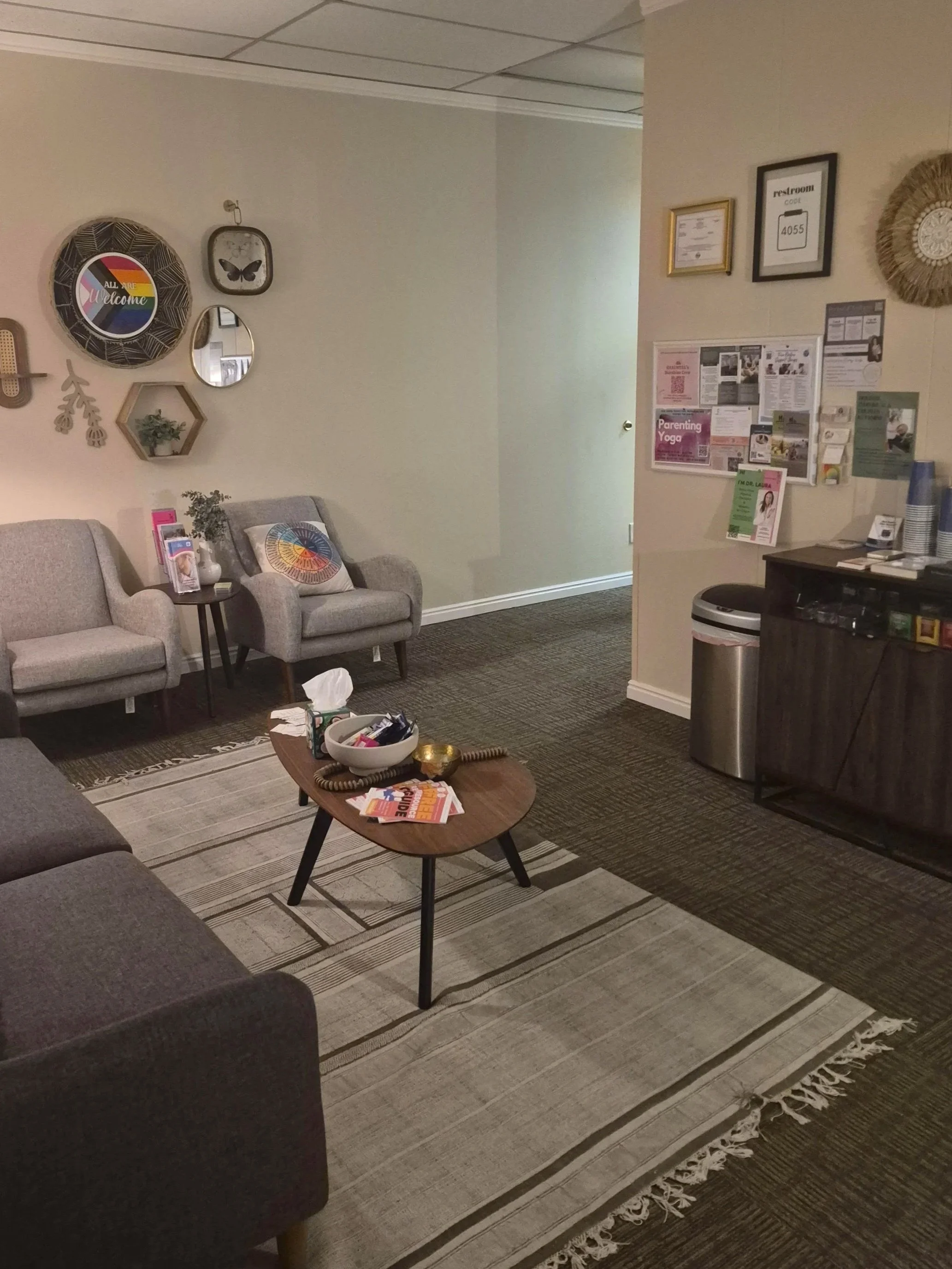
Yes. I see clients in person at my Millcreek office and by telehealth anywhere in Utah. Many clients find in-person sessions especially helpful for body-based work, but telehealth works well too.
-
Yes. I’m in network with Aetna, Blue Cross Blue Shield, EMI Health, Select Health, and UnitedHealthcare, and I accept HSA and FSA cards.
Starting therapy can bring up a lot of questions. Here are answers to the ones I hear most. If you don’t see yours, I’m happy to talk it through on a free 15-minute call.

My Approach
No. This is one of the most common worries I hear, and it’s a big reason my approach is gentle and body-based. Intake forms give me helpful background without you having to explain everything out loud. With parts work, we can often heal what a painful experience left behind without reliving every detail, always at your pace.
Do I have to retell my trauma?
Internal Family Systems (IFS) is based on the idea that we all have different “parts,” like the inner critic, the people-pleaser, or the part that shuts down when things feel overwhelming. These parts formed to protect us, often when we were young. In IFS, we get curious about them instead of fighting them, so they can relax and let your calm, compassionate Self lead.
What is IFS, or parts work?
Somatic means “of the body.” Trauma affects more than our thoughts; it shows up in the nervous system and how we feel physically. Somatic therapy helps you notice what your body is telling you and give it what it needs, so you can feel safe and grounded from the inside out.
What does “somatic” mean?
What is complex trauma?
Complex trauma comes from ongoing experiences, often in childhood, like growing up without consistent safety, care, or emotional support. Many people with complex trauma don’t have words for what they feel, or don’t realize their coping patterns formed to keep them safe. Understanding that alone can be a huge relief, and it’s often where healing begins.
Will you push me to leave my religion?
Never. Religious trauma therapy isn’t about telling you what to believe. It’s about sorting through what you were taught: keeping what feels true, shifting what doesn’t, and letting go of what you no longer serves you. Whether you’re questioning, leaving, or staying, the choice is always yours, and you’ll be believed and respected here.